
Over the past decade, social media has transformed Africa more than almost any other technology. What started as a tool for connection and entertainment has become a powerful engine for activism, entrepreneurship, and digital marketing. Across the continent, platforms like Facebook, X (formerly Twitter), Instagram, TikTok, and YouTube are not just reshaping communication — they’re reshaping society itself.
From raising voices against injustice to creating new markets for brands, social media’s power in Africa lies in its ability to connect, mobilize, and inspire millions in real time.
🌍 1. The Social Media Revolution in Africa
Africa has one of the world’s fastest-growing online populations.
According to DataReportal’s 2024 statistics, there are now over 400 million social media users on the continent — a number increasing every year.
Thanks to affordable smartphones and expanding internet access, even rural and low-income communities are joining the digital conversation.
In countries like Nigeria, Kenya, South Africa, and Ghana, social media has become an essential part of daily life — a space where culture, business, and politics all intersect.
📢 2. Social Media as a Tool for Activism and Change
One of the most profound impacts of social media in Africa has been in activism.
It has given ordinary people an extraordinary voice.
✊ Real-World Examples:
-
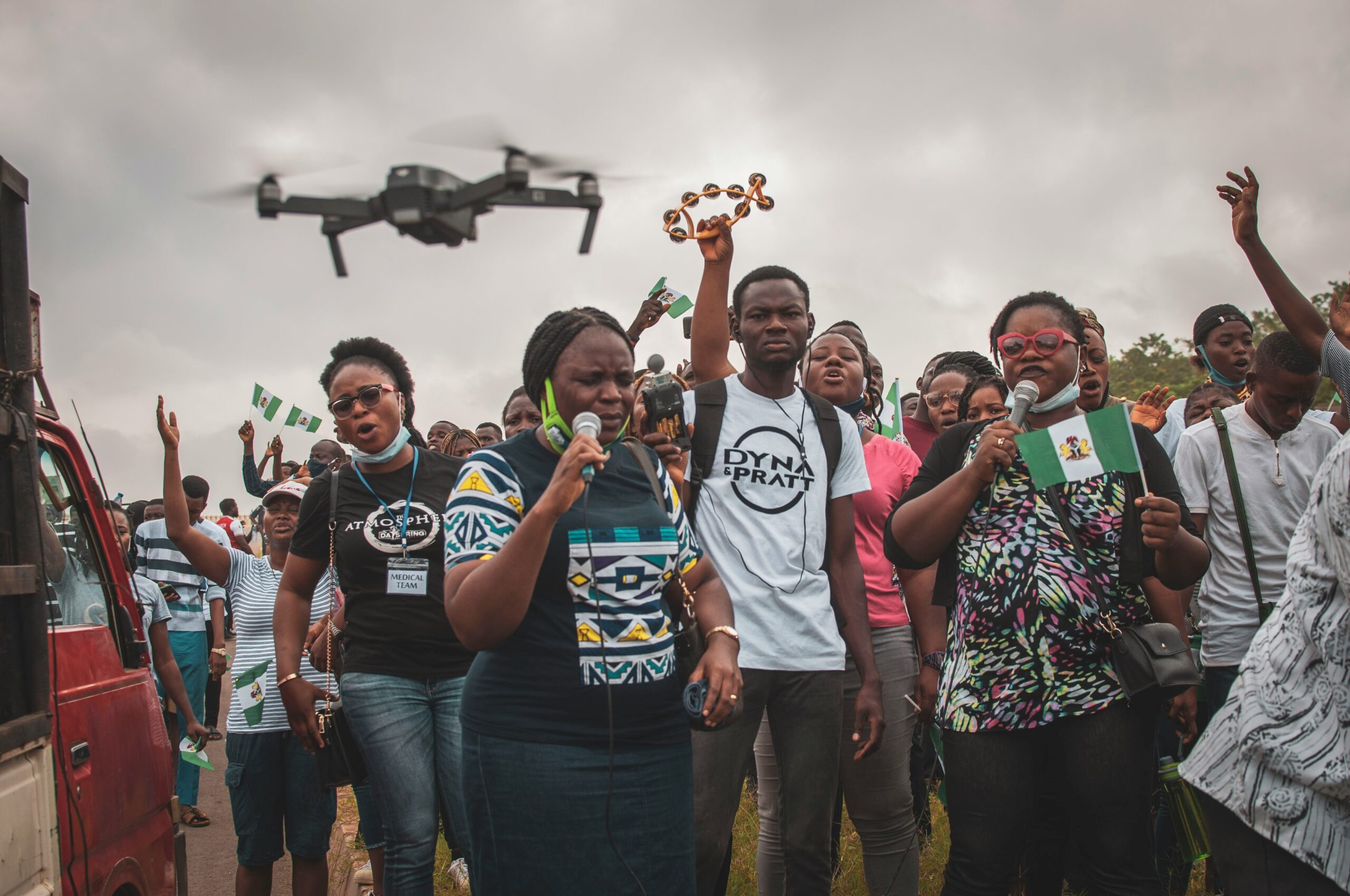
#EndSARS (Nigeria): A youth-led movement against police brutality that gained international attention through Twitter and Instagram.
-
#FeesMustFall (South Africa): University students used social platforms to organize protests demanding affordable education.
-
#BringBackOurGirls (Nigeria): A global campaign demanding action on the abduction of schoolgirls by Boko Haram.
These movements show that social media in Africa is not just about likes or shares — it’s about power, awareness, and collective action.
Digital activism has allowed Africans to bypass traditional media restrictions, hold governments accountable, and build global solidarity in real time.
💬 3. Building Communities and Cultural Identity
Beyond activism, social media is redefining how Africans express themselves and celebrate their identities.
Platforms like TikTok, Instagram, and YouTube have become creative playgrounds for music, fashion, dance, and storytelling.
-
The rise of Afrobeats and Amapiano owes much to social media’s viral reach.
-
African influencers are setting fashion and beauty trends that rival global markets.
-
Creators are using YouTube and TikTok to teach languages, share recipes, and promote tourism.
Social media has turned local culture into global content — and African creativity into a global brand.
💼 4. From Hashtags to Marketplaces: Social Media and Business
The same platforms that drive social change are also fueling Africa’s booming digital economy.
Entrepreneurs, especially young people and women, are using social media as their primary business tool.
A Facebook or Instagram page often replaces a physical storefront — allowing small businesses to reach customers across countries.
💡 Examples:
-
In Kenya, small farmers market produce directly through WhatsApp and Facebook groups.
-
In Nigeria, fashion designers and beauty brands sell globally through Instagram.
-
In Ghana, restaurants and cafés rely on TikTok reviews to attract local customers.
Social media has become Africa’s digital marketplace, turning mobile phones into business hubs and hashtags into sales channels.
📈 5. Advertising and Influencer Marketing: The New Economy
Brands across Africa have learned one thing — traditional advertising is no longer enough.
Consumers now trust people more than corporations, and that’s where influencer marketing thrives.
From YouTubers in Nairobi to TikTok stars in Lagos, Africa’s influencer economy is booming.
-
Micro-influencers promote products to niche communities.
-
Large influencers collaborate with brands like MTN, Tecno, Coca-Cola, and Safaricom.
-
Creators earn income from sponsored posts, affiliate links, and brand ambassadorships.
African influencers bring authenticity — they speak the language, understand the culture, and connect emotionally with audiences.
That’s what makes influencer marketing in Africa so powerful and effective.
🔍 6. Politics and Public Opinion in the Social Age
African politicians have also realized the power of social media — for better or worse.
During elections, platforms like Facebook and X become battlegrounds for ideas, promises, and propaganda.
Political campaigns now rely on digital outreach to engage the youth vote.
However, this power comes with challenges:
-
Fake news and misinformation can spread quickly.
-
Political manipulation through bots and paid campaigns undermines trust.
To combat this, organizations and fact-checkers like Africa Check and Dubawa are working to ensure accuracy and transparency online.
Social media has become a mirror for African democracy — reflecting both its strengths and its growing pains.
🌐 7. Challenges: Connectivity, Regulation, and Digital Literacy
Despite the progress, several barriers remain.
-
Internet costs are still high in many regions.
-
Government censorship sometimes limits free expression.
-
Digital literacy gaps mean many users struggle with privacy and online safety.
Additionally, inconsistent regulations make it difficult for platforms and advertisers to operate across borders.
However, African startups and NGOs are working to close these gaps — through digital education, policy advocacy, and localized innovation.
🔮 8. The Future: Africa’s Social Media Landscape in 2025 and Beyond
The next chapter of Africa’s social media story will be shaped by AI, mobile payments, and localized platforms.
-
AI-driven translation tools will make content in Swahili, Yoruba, or Amharic more accessible globally.
-
Integration with mobile money will make it easier for creators to earn directly from fans.
-
Regional platforms like Ayoba (from MTN) are rising as African alternatives to global giants.
As technology continues to evolve, Africa’s social media landscape will become more inclusive, profitable, and globally connected.
🗣️ 9. Conclusion: The Voice of a Connected Continent
Social media has given Africa a microphone — and the world is finally listening.
From activism to advertising, it has redefined how Africans connect, create, and communicate. It has turned youth into influencers, businesses into brands, and ideas into movements.
But beyond likes and followers, the true power of social media in Africa lies in agency — the ability for Africans to tell their own stories, shape their futures, and inspire global change.
In a continent where every voice once struggled to be heard, social media has created a chorus — bold, diverse, and unstoppable. 🌍