
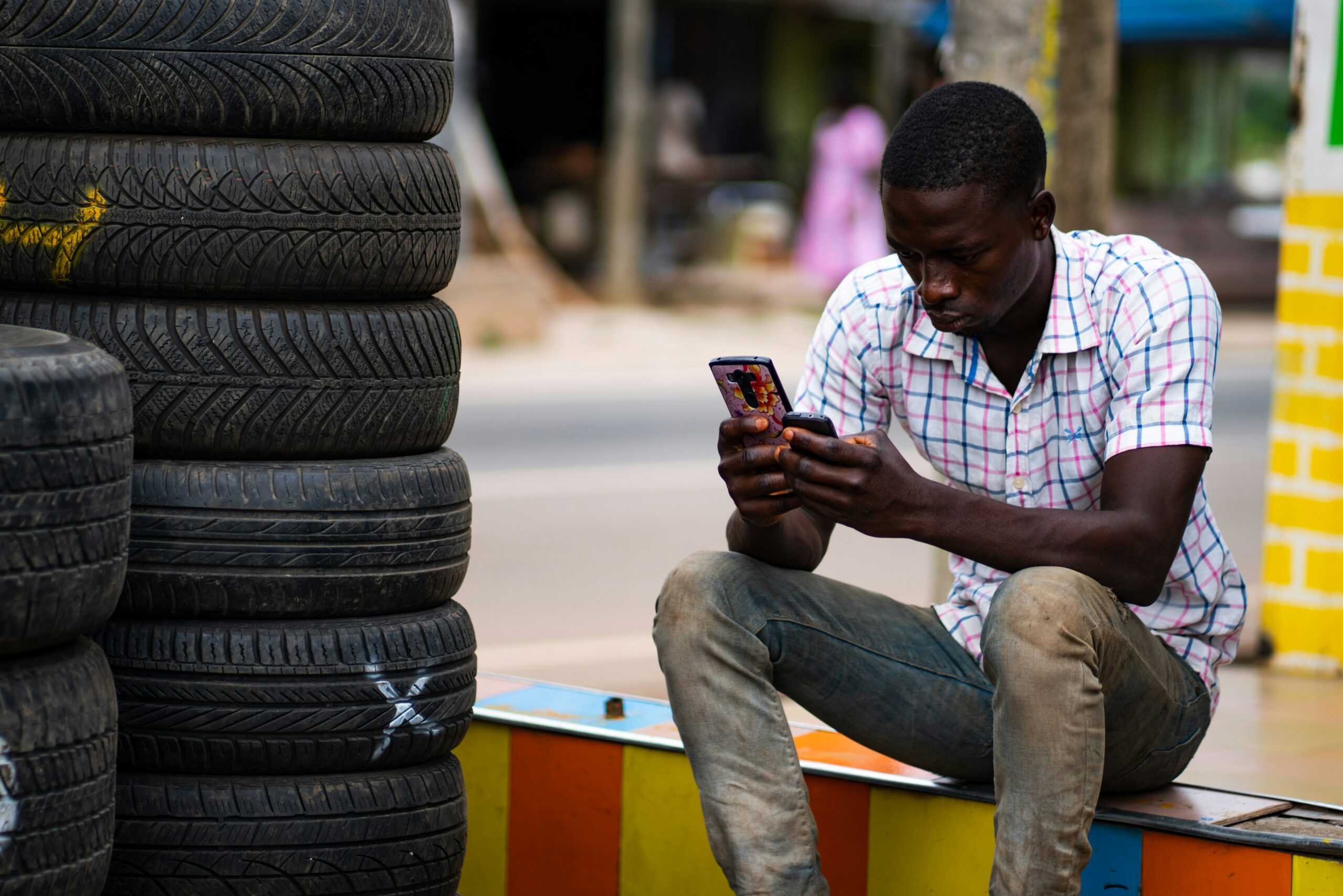
For decades, Africa’s story was mostly told through external lenses — shaped by foreign correspondents, filtered through global media houses, and often limited to stories of crisis. But today, that narrative is rapidly shifting. Thanks to digital technology, Africans are telling their own stories, building their own platforms, and creating a thriving ecosystem of innovation, information, and influence.
This transformation — from traditional broadcasting to mobile-driven storytelling — marks the rise of digital media in Africa, redefining how the continent communicates with itself and the world.
🌍 1. The Digital Boom Across the Continent
Africa’s digital revolution began with one simple device: the mobile phone.
In the early 2000s, mobile penetration started to surge — and by 2025, the GSMA estimates that over 615 million Africans will be connected via smartphones.
With affordable data and social media apps like Facebook, WhatsApp, TikTok, and X (Twitter), millions of Africans are not only consuming content but also producing it.
From Nairobi’s creative collectives to Lagos’ tech hubs, young Africans are using digital tools to express identity, challenge stereotypes, and participate in the global information economy.
📱 2. The Shift from Traditional Media to Digital Platforms
Traditional media in Africa — newspapers, radio, and television — once dominated information flow.
However, high production costs, political restrictions, and limited reach made them inaccessible to many.
Digital platforms changed that. Today, a smartphone and internet connection are enough to start a YouTube channel, a news blog, or a podcast reaching thousands — even millions.
-
In Kenya, platforms like The Elephant and NBO Litfest showcase in-depth commentary and local voices.
-
In Nigeria, Pulse.ng and Zikoko blend journalism and entertainment for youth audiences.
-
In South Africa, News24 has evolved into one of the continent’s largest digital newsrooms.
This democratization of media has shifted control from institutions to individuals — creating a vibrant, sometimes chaotic, but undeniably authentic media environment.
🧠 3. How Technology Empowers Local Storytelling
Digital tools are empowering Africans to tell stories from their own perspective — rich, diverse, and relatable.
Social media platforms have become stages for creativity and cultural pride:
-
Filmmakers share short documentaries on YouTube.
-
Musicians launch global hits through TikTok.
-
Activists use Twitter to mobilize change — from #EndSARS in Nigeria to #FeesMustFall in South Africa.
Meanwhile, local-language content is flourishing.
Swahili podcasts, Hausa YouTube channels, and Francophone African blogs are breaking linguistic barriers and celebrating cultural variety.
Technology has turned storytelling into a collective, inclusive movement, where everyone has a voice — not just the elite.
💼 4. New Opportunities: Jobs, Advertising, and Entrepreneurship
Digital media has not only transformed communication — it has created entire industries.
The growth of digital journalism, influencer marketing, e-commerce, and online advertising has opened new income streams for African youth.
-
Influencers in Ghana and Nigeria now earn steady incomes from brand deals.
-
Independent journalists in Uganda fund their investigations through Patreon and newsletters.
-
Advertising agencies are shifting budgets toward digital campaigns targeting local and diaspora audiences.
In cities like Lagos, Nairobi, and Kigali, startups are using social media and content marketing to reach global clients — turning creativity into capital.
⚠️ 5. Challenges Along the Way
Despite its promise, Africa’s digital media space faces real obstacles.
-
Internet affordability remains a major issue. Many countries still have high data costs.
-
Press freedom is fragile in several regions, where bloggers and journalists face censorship or harassment.
-
Misinformation and fake news spread rapidly through social platforms with limited fact-checking capacity.
-
Digital literacy gaps mean many users still struggle to identify credible sources.
However, African innovators are responding. Fact-checking groups like Africa Check and PesaCheck are working to promote accuracy. Tech hubs are training young creators in ethics, research, and responsible journalism.
🔮 6. The Future: Africa as a Digital Media Powerhouse
Looking ahead, Africa’s media future is bright — and digital.
Artificial intelligence, 5G networks, and mobile fintech are set to accelerate connectivity and content creation.
-
AI-driven translation tools will make local content accessible to global audiences.
-
Mobile payment systems like M-Pesa and Flutterwave will make it easier for creators to monetize.
-
Streaming platforms such as Showmax and Netflix Africa are already investing in regional stories and talent.
By combining cultural authenticity with cutting-edge technology, Africa is not just catching up — it’s leading the next wave of global storytelling.
🗣️ Conclusion: A New African Narrative
The rise of digital media in Africa is more than a technological shift — it’s a cultural reawakening.
It’s about control, creativity, and connection. Africans are now shaping their own narratives, challenging outdated stereotypes, and defining what it means to be seen and heard in the digital era.
In this transformation, technology is not the story — people are.
Their voices, their innovation, and their vision are what make Africa’s digital media revolution truly unstoppable.