
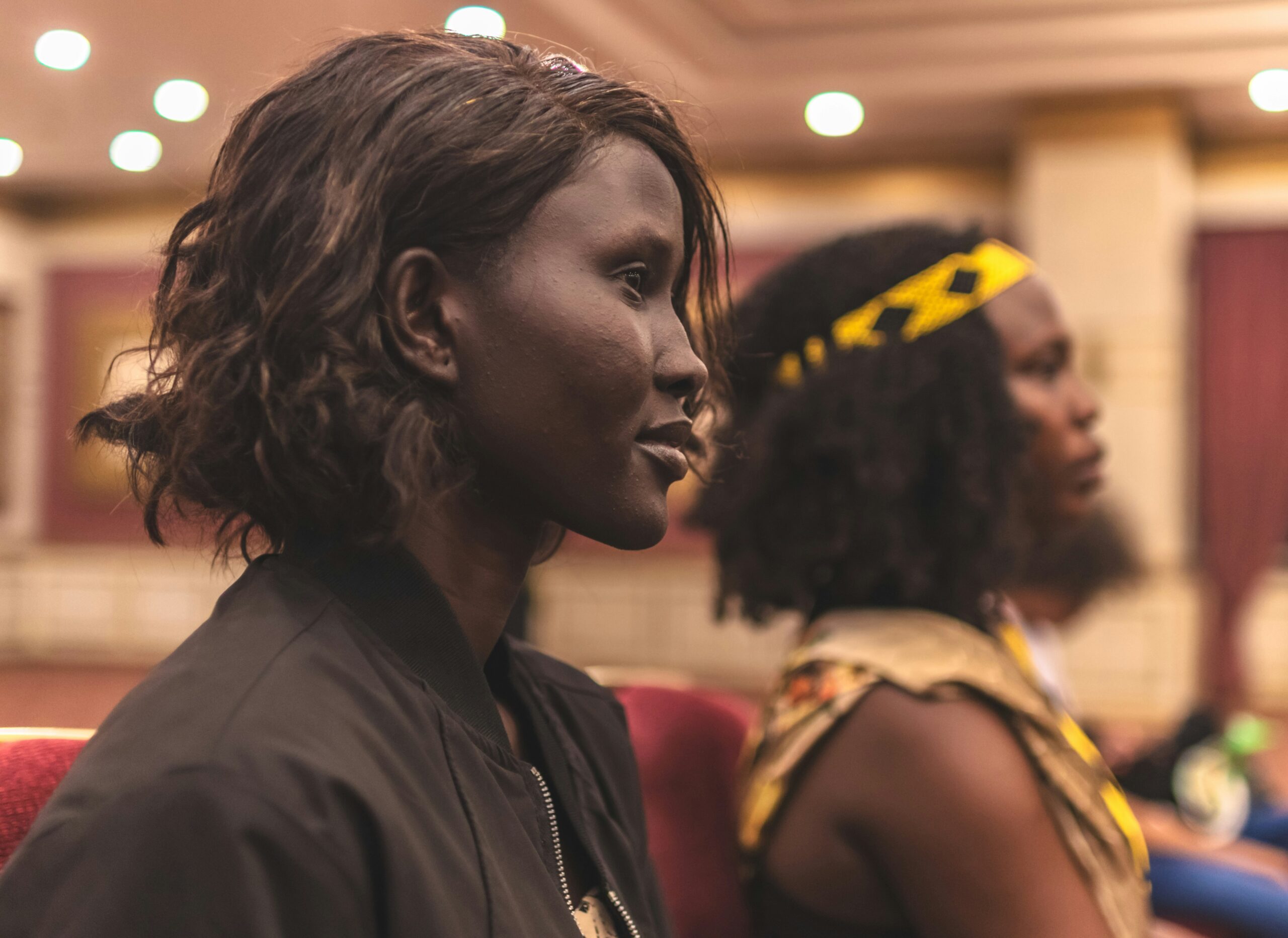
For generations, African media has been dominated by male voices — from newsroom editors to talk show hosts. But in the 21st century, that is changing fast. Across the continent, women in African media are not just participating; they are leading, transforming narratives, and shaping public opinion in powerful ways.
From journalists exposing corruption to filmmakers redefining storytelling, from digital creators amplifying women’s rights to executives running major networks, African women are breaking barriers and setting new standards for what media leadership looks like.
🌍 1. The Changing Face of African Media
The rise of women in African media reflects a broader social transformation.
Education, technology, and changing cultural norms have opened doors that were once firmly closed.
In the past, women were often restricted to “soft news” or entertainment reporting. Today, they’re anchoring political debates, running investigative teams, and leading editorial boards.
Media houses like BBC Africa, Channels TV (Nigeria), NTV (Kenya), and SABC (South Africa) now feature prominent women journalists and producers who set the tone for national conversations.
These changes are not symbolic — they’re structural. Women are no longer just faces on camera; they’re decision-makers behind the scenes.
✊ 2. Pioneers Who Opened the Doors
Africa’s media revolution didn’t happen overnight. It stands on the shoulders of courageous women who refused to be silenced.
Trailblazers like:
-
Anasthasie Mukarugema (Rwanda) — one of the first female broadcast journalists in post-genocide Rwanda.
-
Khadija Patel (South Africa) — former editor of Mail & Guardian, a champion of press freedom.
-
Amina Yuguda (Nigeria) — award-winning storyteller known for human-centered journalism.
-
Victoria Rubadiri (Kenya) — celebrated anchor at Citizen TV who mentors young women in journalism.
These women have paved the way for the next generation — proving that gender should never define one’s voice or credibility in media.
💻 3. The Digital Era: New Platforms, New Power
The internet has become a great equalizer.
In the digital era, women don’t have to wait for traditional media approval — they can create their own platforms.
From blogs and podcasts to YouTube and TikTok channels, women are taking control of their narratives.
Examples include:
-
Ndoni Mcunu (South Africa), who used social media to promote women in science before her passing in 2022.
-
Zikoko and AfricanFeminism.com, online platforms amplifying women’s stories and intersectional feminism.
-
Podcast queens like Kenya’s Over 25 and Nigeria’s I Said What I Said, who discuss relationships, identity, and social issues openly.
Digital media has empowered African women to challenge stereotypes, build communities, and reach global audiences — often without gatekeepers.
💪 4. Breaking Gender Stereotypes in News and Storytelling
One of the greatest achievements of women in African media is how they are changing the narrative.
For years, African women were portrayed through limited lenses — victims, homemakers, or background characters.
Now, female journalists and filmmakers are shifting the focus.
-
Filmmakers like Wanuri Kahiu (Rafiki, Kenya) and Amma Asante (Ghana/UK) are telling bold, authentic African stories.
-
Photojournalists like Yagazie Emezi capture women’s resilience and beauty beyond the clichés of poverty.
-
Editors and producers are prioritizing women’s issues such as reproductive health, gender-based violence, and entrepreneurship.
By owning the narrative, African women are proving that representation isn’t just about presence — it’s about perspective.
📰 5. Challenges That Still Exist
Despite the progress, women in African media continue to face serious obstacles:
-
Gender discrimination and unequal pay remain widespread.
-
Sexual harassment in workplaces discourages many from pursuing long-term media careers.
-
Limited leadership opportunities mean women are still underrepresented in senior management.
-
Cultural expectations often pressure women to choose between career and family.
A 2023 report by the African Women in Media (AWiM) organization found that only 25% of editorial leadership roles across major African media houses are held by women.
The struggle for equality is far from over — but the resistance is stronger than ever.
⚙️ 6. Organizations Empowering Women in Media
Thankfully, networks and initiatives are emerging to support and empower women journalists, filmmakers, and digital creators.
Some key examples include:
-
African Women in Media (AWiM): An annual conference and community that connects and trains women across 40+ countries.
-
The WanaData Network: A pan-African collective of women data journalists using technology for storytelling.
-
UNESCO & UN Women Programs: Providing grants and safety training for women in journalism.
These organizations not only advocate for gender equality but also ensure women have the skills, mentorship, and protection needed to thrive in modern media.
🌐 7. Women Leading the Way in Media Business and Tech
African women are not just content creators — they are media entrepreneurs.
From running production studios to founding digital marketing agencies, they are building businesses that compete globally.
-
Mo Abudu (Nigeria): Founder of EbonyLife Media, one of Africa’s largest media companies, now partnered with Netflix and Sony.
-
Carol Ndosi (Tanzania): Founder of Ndosi Strategies, promoting women’s representation in digital campaigns.
-
Bonang Matheba (South Africa): TV host and businesswoman who turned her media brand into a multimillion-dollar empire.
These women are redefining success — not just by being seen, but by owning the platforms themselves.
🔮 8. The Future: Inclusive Media for All
The future of African media depends on diversity and inclusion.
More women leaders mean more balanced storytelling — stories that reflect real societies, not filtered hierarchies.
As AI, digital media, and streaming platforms evolve, women are at the forefront of innovation:
-
Launching podcasts that challenge patriarchal norms
-
Producing films that celebrate African womanhood
-
Running social media campaigns that influence policy and awareness
The goal isn’t simply to “add” women to media — it’s to redefine what media can be when women lead.
🗣️ 9. Conclusion: Redefining Power, One Story at a Time
Across Africa, women in media are proving that visibility is power — and storytelling is a form of leadership.
They are fighting bias, building businesses, mentoring others, and changing how the world sees Africa.
Every voice, every headline, and every story they tell brings us closer to a more inclusive and representative media landscape.
The next generation of African girls won’t just dream of being on screen — they’ll dream of owning the screen.